Metals Product Catalog
GALLIUM GLOBAL · MATERIALS CATALOG
Specialist metals.
Precisely specified.
Explore gallium, germanium, indium, rare earths and advanced materials for research and industry. Find your material, compare grades and request a quotation tailored to your specifications.
Browse by material category
Choose a family to explore product listings and grades.
Seven buying questions before requesting a quotation
Use this shop catalog guidance to prepare a comparable enquiry. The product grid below remains your starting point for individual listings. The questions here help define what your purchasing and technical teams need to confirm.
Buying guidance topics


Choosing a material family
Start with the material identity and intended role in your process. Use the category links for gallium, germanium, indium, rare earths and metal oxides, or review the material family overview for a broader route. A metal, alloy and oxide are different material descriptions. Include the full name or formula where relevant, and identify whether an alternative composition may be considered.
Comparing purity grades
The metals product catalog includes grades that need to be compared on the same basis. Nominal 4N, 5N and 6N labels correspond to 99.99%, 99.999% and 99.9999%, respectively, but the purity basis and critical impurity limits still matter. Read the purity-grade guide and list application-specific limits separately. Ask which values are specifications and which are measured results for the offered lot.
Specifying form and dimensions
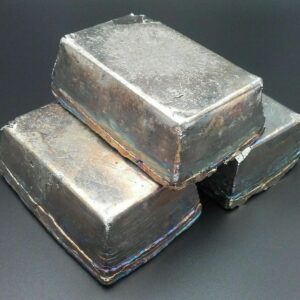
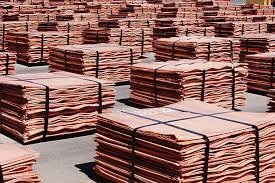
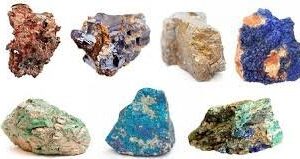
State the physical form your process requires: ingot, piece, granule, powder, sheet, rod or another defined shape. Include dimensions, tolerances and surface requirements when relevant. For a powder, describe the required size distribution and measurement basis. Product photographs show a material example; they do not establish that every offered lot has the same dimensions, particle shape, container arrangement or packing configuration.
Requesting the right documents
Tell us whether you need a technical specification, certificate of analysis, safety data sheet, origin evidence or another document for purchasing review. Our COA, SDS and TDS guide explains their different roles. A general data sheet does not certify a particular shipment. Document availability, applicable lot details and release arrangements are confirmed for the material and order being reviewed.
Shop catalog listings and quotation availability
Use a shop catalog listing to begin a specification-led enquiry. Confirm the offered grade, quantity, origin, dispatch point, price and delivery scope in the written quotation. If your purchasing team needs a quotation-validity period or a particular allocation condition, raise it before placing the order. For repeat supply, separate the initial shipment from forecasts and state the expected release frequency.
Planning trial and repeat quantities
Our trial minimum is 1 kg; sheets are supplied as whole pieces. Tell us the required total quantity and whether your enquiry is for qualification, an initial production order or recurring demand. Include any evaluation or incoming-inspection requirements that must be agreed in advance. For repeat purchasing, explain the proposed lot size, delivery frequency and packaging preference rather than treating an annual forecast as a confirmed shipment schedule.
Preparing your quotation request
Bring the material, grade, form, quantity and destination into one clear request. Add required documents, packaging and timing, then use the quotation form or email sales@galliumgloballlc.com. Review our USA payment information: 60% against PI, 30% against shipping documents and 10% within five business days after arrival. The written offer confirms the applicable order details.
For independent material-category background, consult the USGS commodity information directory. For your order, use the accepted specification, quotation and agreed documents.
Showing 1–12 of 134 results
-
- Purity / grade
- 99.70%
-
- Purity / grade
- Confirm in quotation
- Form
- Metal
- Formula / symbol
- Sb
- CAS
- 7440-36-0
-
- Purity / grade
- Confirm in quotation
- Formula / symbol
- Sb₂O₃
- CAS
- 1309-64-4
-
- Purity / grade
- 4N · 99.99%
- Form
- Metal
- Formula / symbol
- Bi
- CAS
- 7440-69-9
-
- Purity / grade
- 5N · 99.999%
- Form
- Metal
- Formula / symbol
- Bi
- CAS
- 7440-69-9
-
- Purity / grade
- Confirm in quotation
- Form
- Powder
- Formula / symbol
- Specify the required oxide formula, oxidation state and phase
- CAS
- To be confirmed against the agreed oxide identity and SDS
-
- Purity / grade
- Confirm in quotation
- Form
- Metal
- Formula / symbol
- Ce
- CAS
- 7440-45-1
-
- Purity / grade
- Confirm in quotation
- Form
- Powder
- Formula / symbol
- CeO₂
- CAS
- 1306-38-3
-
- Purity / grade
- High Purity
- Form
- Metal
- Formula / symbol
- Co
- CAS
- 7440-48-4
-
- Purity / grade
- Confirm in quotation
-
- Purity / grade
- Confirm in quotation
-
- Purity / grade
- Confirm in quotation